The Property Manager’s Winter-Prep Checklist for Commercial and Multi-Family Roofs
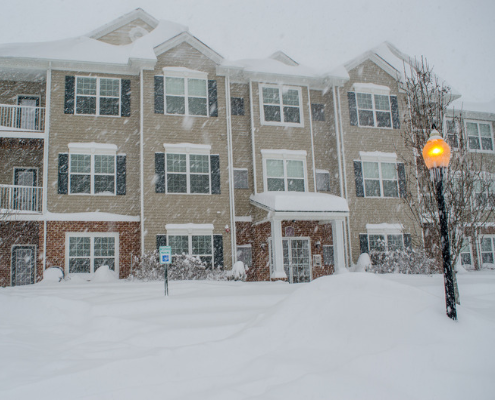
When a single-family roof leaks, one household finds out. And they’re residing in that home, so the news break is easier. When the roof over a 24-unit apartment building leaks, the top-floor tenant finds out first, then the tenant below them, and then your phone starts ringing, usually around the most inconvenient time.
Commercial and multi-family roofs carry more people, more equipment, and more liability than a house ever will. The good news: most winter roof problems are visible right now if you know where to look. Here’s what to check before the first hard freeze:
1. Clear the Roof Surface and Drains
Flat and low-slope roofs depend on drains, scuppers (the openings along the roof edge that let water drain off), and gutters to move water off the building, and by early December they’re usually packed with leaves. When drains clog, water ponds. In winter, that water freezes, thaws, and refreezes, working into seams and adding weight the roof wasn’t built to carry for weeks at a time. Look for debris around drains and scuppers, and any standing water still sitting there 48 hours after a rain.
2. Look Hard at Gutters and Downspouts
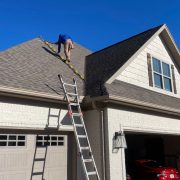
On a multi-family building, gutters aren’t just a roof issue. They’re a sidewalk issue. A clogged or broken downspout often dumps water onto a walkway, parking lot, or stairwell landing, and in the freezing cold, that water becomes a sheet of ice right where tenants walk. Check for gutters sagging or pulling away from the fascia, downspouts emptying onto walkways, and overflow stains on the siding below.
3. Inspect Everything That Pokes Through the Roof
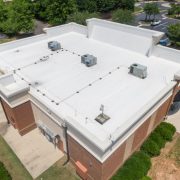
HVAC units, exhaust fans, plumbing vents, and skylights all need a hole in the roof, and every one is sealed with flashing that can fail. Here’s one most property managers miss: fall is when HVAC techs service rooftop units before the heating season. Foot traffic, dropped tools, and equipment panels set down on the roof can puncture a membrane without anyone noticing. Check the flashing and sealant around every penetration, and walk the paths service techs use to reach equipment.
4. Check Seams, Membrane, and Shingles
On a flat or low-slope roof, such as TPO, EPDM, PVC, or modified bitumen, focus on the membrane. Look for seams that are lifting or open (on TPO and PVC, check the heat-welded seams and where the membrane meets walls and curbs), plus blisters or soft spots underfoot. On a pitched multi-family roof, look for missing, curled, or lifted shingles and granules collecting in the gutters.
5. Don’t Skip the Edges
Ice forms at the roof edge first, and wind catches it first. On an apartment building, a gap in the soffit is also an open invitation for squirrels, raccoons, and birds looking for a warm attic, which quickly turns into a tenant complaint. Look for soft or rotted fascia, loose soffit panels, and signs of animal activity along the roofline.
6. Walk the Top Floor From the Inside
A roof often shows its problems from the inside first. Walk top-floor units, hallways, and mechanical rooms looking for ceiling stains, bubbling drywall, or musty smells. Then go back through the past year’s work orders. Tenants often report a small stain once and then forget about it.
7. Make a Snow and Ice Plan Now
When St. Louis gets a heavy snow, you don’t want to be sorting out who’s responsible for the roof in the middle of it. Decide now who calls for snow removal, which tools are allowed up there (metal shovels can tear a membrane in seconds), where removed snow goes so it doesn’t block drains, and who your roofer is after hours.
8. Get Your Paperwork in Order
Take dated photos of the roof’s current condition, pull your warranty and repair records, and make sure tenants know exactly how to report a leak. If you ever need to file an insurance claim, you’ll be glad you took those pictures and were prepared.
The Quick Version
- Drains, scuppers, and gutters cleared
- Downspouts emptying away from walkways
- Flashing tight around rooftop equipment
- Seams closed, shingles intact
- Soffit and fascia solid
- Top floor checked, old work orders reviewed
- Snow and ice plan in place
- Photos, warranty, and records on file
Why Now Beats January
Roofing work doesn’t stop in winter, but it gets harder. Many roofing materials need warm enough temperatures to seal and bond properly, so workable days drop fast once real cold sets in. Emergency repairs in January also tend to cost more than planned repairs in November, and scheduling now lets you work around tenants and business hours instead of scrambling.
You can learn more about How Temperature Affects Your Roof Replacement, here.
Let Us Do the Walk-Through
Your maintenance staff has better things to do than climb onto a roof. 1st Choice Roofing and Construction offers free estimates for commercial and multi-family properties, so finding out where your roof stands costs you nothing.
Our full-time crew is based in Arnold and works on TPO, EPDM, PVC, modified bitumen, roof coatings, and metal. We’ll document what we find with photos and usually give you more than one option to fit your budget. If a leak or storm hits mid-winter, we offer emergency service and work directly with your insurance company. And since we also handle fascia, siding, gutters, decks, and parking structures, you’re not juggling multiple vendors for one building.
Managing apartments? We’re members of the St. Louis Apartment Association, offer discounts for rental properties, and back our work with a 10-year workmanship warranty. Ask about a maintenance agreement, too: priority scheduling, faster response when leaks happen, and lower per-hour rates on repairs.
Schedule a free inspection for the property you own or manage, and get ahead of the winter snow schedule.