How Roof Pitch Affects Storm Damage Susceptibility

Your roof’s pitch, which is the angle or slope of your roof, plays a bigger role in storm damage than most homeowners realize. Understanding how pitch affects your roof’s vulnerability to weather events can help you identify risks and know when to call for professional inspection after storms roll through.
What Is Roof Pitch?
Roof pitch measures the steepness of your roof, typically expressed as a ratio. A 4:12 pitch means the roof rises 4 inches for every 12 inches of horizontal distance. Low-slope roofs range from nearly flat to about 3:12, while steep roofs measure 6:12 or higher.
This seemingly simple measurement dramatically influences how your roof handles wind, rain, snow, and hail.
Water Drainage Problems on Low-Slope Roofs
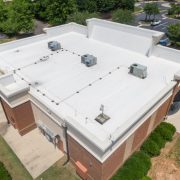
Low-slope roofs, also known as flat roofs, struggle with water drainage during heavy rainfall. Water doesn’t shed quickly from shallow angles, creating opportunities for pooling and penetration. During intense storms, water can back up under shingles or find its way through small gaps in the roofing membrane.
Ice dams pose another serious threat to low-slope roofs. When snow melts and refreezes at the roof edge, it creates a barrier that traps water behind it. This standing water eventually finds paths into your home, causing interior damage that may not become visible until well after the storm passes.
After heavy rain or snowmelt, check your flat roof for standing water that remains 48 hours later. Persistent ponding indicates drainage issues that need professional attention before the next storm arrives. Here’s everything you need to know about the different types of low-sloped roofing systems.
Wind Damage on Steep Roofs
On the other hand, steep roofs handle storms differently. They’re great at shedding water, but are more vulnerable to wind damage with their angled surface. High winds flowing over the roof peak create a lifting effect on the underside, putting pressure on the entire roofing system.
This uplift can rip shingles loose, starting at roof edges and working inward. Once a few shingles blow off, the exposed area becomes increasingly susceptible to further damage. Wind-driven rain and hail can then penetrate the roof deck, causing water and hail damage even if your shingles appeared intact before the storm.
Steep roofs also accumulate wind-blown debris differently. Leaves, branches, and other storm debris tend to collect in valleys and behind chimneys, creating dams that redirect water under shingles during subsequent rainfall.
The Middle Ground
Moderate roof pitches between 4:12 and 6:12 offer balanced storm performance. They shed water effectively while presenting less surface area to wind forces. However, they’re not immune to storm damage. These pitches simply face fewer extreme vulnerabilities than very low or very steep roofs.
They still require post-storm inspection, particularly around roof penetrations like chimneys, vents, and skylights where water can find entry points regardless of pitch.
Hail Damage Across Different Pitches
Roof pitch determines how hail strikes your roof. Hailstones bounce off steep angles but slam straight down on flatter surfaces. Here’s the catch though: steep roofs have more square footage exposed to the sky, so hail can potentially damage a wider area.
Bottom line? After any hailstorm, get a professional like 1st Choice Roofing and Construction to check for damaged shingles, dented flashing, damaged fascia, and broken vents no matter what type of roof you have.
Snow Considerations
Snow behaves differently depending on your roof pitch. Low-slope roofs collect and hold snow since it has nowhere to go, and all that weight puts serious stress on your roof structure. In extreme weather, the load can become dangerous.
Steep roofs shed snow more naturally, reducing weight concerns. But that creates its own issues. Sudden snow slides can damage gutters and anything below. Steep roofs also deal with ice dams, which form when melting snow refreezes at the roof edge. These ice ridges trap water behind them, forcing it under your shingles and into your home.
Post-Storm Inspection Priorities
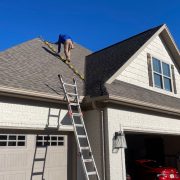
After severe weather, it’s important to assess potential damage, but thorough roof inspections should always be left to professionals. We know what to look for and can safely identify problems that aren’t obvious to untrained eyes.
From inside your home, check your attic and ceilings for water stains, which can indicate leaks that developed during the storm. This is something you can safely do yourself.
For inspecting the roof itself, contact a professional roofing contractor like the trusted professionals here at 1st Choice Roofing and Construction. We have the expertise, safety equipment, and trained eye to identify both obvious damage and subtle issues that could become major problems if left unaddressed.
Never walk on your roof after storms, even if you think you see damage. Wet roofing materials are slippery, and storm damage may have compromised your roof’s structural integrity in ways that aren’t visible from the ground. Let us handle the inspection safely.
Working With Insurance After Storm Damage
Understanding how pitch affects damage helps when filing insurance claims. Insurance adjusters consider pitch when assessing storm damage because it influences the type and severity of expected damage, especially when they know which direction the hail came from.
For more information about working with your carrier through insurance restoration, read more here.
Prevention and Maintenance
While you can’t change your roof’s pitch, you can minimize storm damage risks through proper maintenance. Keep gutters clean to ensure water flows off low-slope roofs quickly. Trim overhanging branches that could damage steep roofs during high winds. Schedule annual professional inspections to identify and repair minor issues before storms turn them into major problems.
Your roof pitch isn’t good or bad, it simply creates specific vulnerabilities you should understand and monitor. Knowing your roof’s storm susceptibilities helps you respond appropriately after severe weather and maintain your roofing system for maximum longevity.
At 1st Choice Roofing and Construction, we handle insurance claims, roof repairs, full roof replacements, and more. Contact us for your free roofing system inspection.