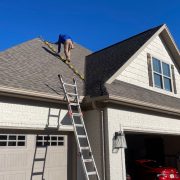
A Storm Date Isn’t Enough: What Insurance Companies Really Look for After a Hail Claim
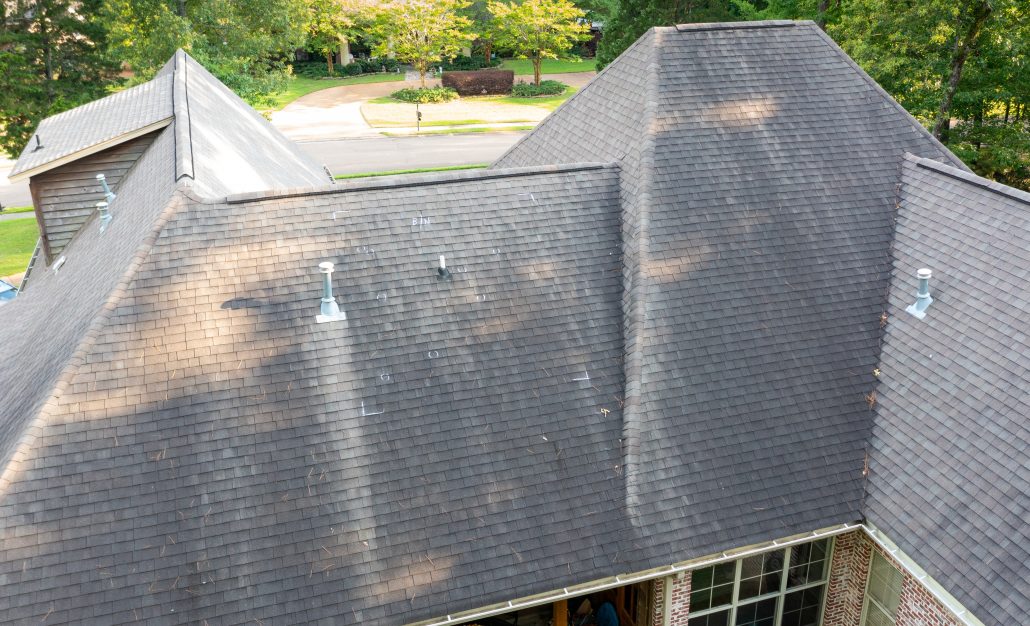
When hail hits your neighborhood, many homeowners call in a claim and assume the insurance process will be straightforward. After all, there’s a confirmed storm date. What else could the adjuster possibly need?
Quite a bit, actually.
Here’s a truth most homeowners don’t learn until they’re in the middle of a claim: a storm date is just the starting point. Insurance companies want supporting evidence. They need proof that hail didn’t just fall in your zip code, but that it physically struck your property. And that means they’re going far beyond your shingles.
Why Your Roof Alone May Not Be Enough
Adjusters are trained to look for what’s called “collateral damage” — hail impacts on other exterior surfaces of your home that help confirm a hail event actually reached your structure. Soft metals and painted surfaces are especially telling because they hold the imprint of hail strikes in a way that’s harder to dispute. Wind-driven hail can also hit those structures sometimes more than your roof, depending on your roof’s pitch.
If your roof shows wear but none of the other exterior surfaces show corresponding damage, an insurer may argue the roof damage is the result of other factors. That includes old age, manufacturing defects, or previous storms and not the event you’re claiming.
Where Adjusters Look Besides Your Roof
When a claims adjuster does a thorough inspection, they’re looking at the full exterior picture. That typically includes:
- Gutters and downspouts — Hail leaves distinct dents and dings across aluminum gutters. A pattern of fresh strikes is one of the clearest indicators that hail hit your home.
- Window screens and frames — Screens are particularly sensitive to hail and often show pitting, tears, or bent frames that align with a storm event.
- AC condenser units — The aluminum fins on outdoor HVAC equipment are easily marked by hail and provide strong physical evidence of a strike.
- Garage doors — Especially on steel or aluminum panels, hail hits leave round, identifiable dents that adjusters recognize immediately.
- Fascia, soffits, and trim — Painted metal trim around the roofline and windows can show fresh paint chipping and denting consistent with impact.
- Fence posts and outdoor structures — Wood and metal fencing can display splintering or fresh impact marks that corroborate your claim.
- Window sills and capping — Aluminum window wrapping is another soft metal surface that holds hail damage visibly.
The “Proof of Impact” Standard
Insurance companies use this collateral damage evidence to either build the story your claim tells, or deny it. If multiple surfaces on your home show consistent, patterned damage that aligns with the storm date and the reported hail size, your claim is on much stronger footing. If the damage appears isolated or inconsistent, expect pushback.
This is one reason why working with an experienced roofing contractor like 1st Choice from the very beginning of your claim process matters so much. A trained eye can document all of the collateral damage on your property before the adjuster ever arrives. From the start, we create a comprehensive record that supports your claim.
What You Should Do After a Hailstorm
Don’t wait for the adjuster to tell you what they found. Be proactive:
- Schedule a professional inspection right away. The sooner a qualified roofer walks your property, the more accurate and complete your damage documentation will be.
- Don’t make temporary repairs that obscure damage. If you cover or patch something before it’s documented, that evidence is gone.
- Photograph everything — not just the roof. Walk the entire exterior of your home and capture every surface. Date-stamp your photos if possible.
- Know what’s on your property. AC units, metal trim, gutters, and fencing are all part of your claim story. Make sure they’re included in any inspection.
And here’s something you won’t hear from every contractor: if we inspect your home and don’t find significant damage, we’ll tell you. No pressure, and no urgency. Just an honest assessment, a handshake, and the assurance that we’ll be there when you need us. A clean inspection is actually good news. It means your home held up, and you won’t be navigating a claims process you don’t need. That honesty is exactly why we believe every homeowner should call us before they call their insurance company. Filing a claim you don’t need can complicate your coverage. Getting an expert opinion first protects you — and that’s always been the 1st Choice way.
1st Choice Is in Your Corner
At 1st Choice Roofing and Construction, we’ve helped hundreds of St. Louis-area homeowners navigate the insurance claims process. We know exactly what adjusters are looking for. When we inspect your home after a storm, we’re documenting every inch of your exterior, not just your shingles. That documentation can be the difference between a claim that gets approved and one that gets denied.
If hail has hit your neighborhood, don’t wait. Contact 1st Choice Roofing and Construction today for a free inspection. We’ll make sure your claim tells the full story — because a storm date alone is never enough.