Preparing Your Apartment Complex for Storm Season
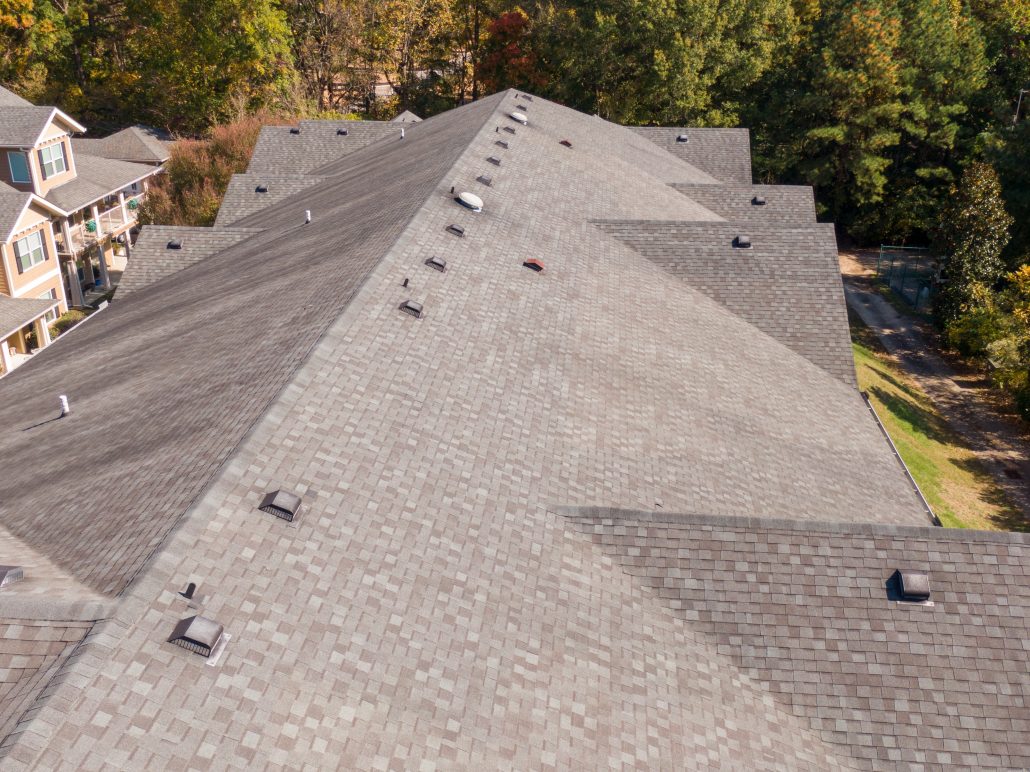
Storm season doesn’t wait for property managers to get ready — and in April, it’s already here. Multi-family properties have a lot on the line. A proactive approach now keeps units occupied, limits liability, and spares you from the kind of emergency repair bills that escalate fast.
Here’s what a proactive storm prep plan looks like for multi-family properties, and what your team should be checking right now.
Start at the Top: Get Your Roof Inspected
Your roof is the first line of defense against wind, rain, and hail. A single storm can take a roof that’s 80% functional and push it past the point of repair. A professional inspection before the season is fully underway is the highest-value move a property manager can make.
A qualified inspector at 1st Choice Roofing and Construction will assess:
- Membrane integrity on flat and low-slope sections — bubbling, splitting, or separation
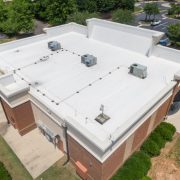
- Flashing conditions around HVAC units, parapet walls, and penetrations
- Drainage performance — including scuppers, the built-in wall openings designed to move water off the roof, along with gutters and downspouts
- Areas where water sits and compromises the membrane beneath it
- Fastener and seam integrity on metal roofing systems
- Any patched areas that may have shifted or failed over winter
Catching these issues in April or May, costs a fraction of what emergency remediation runs in July. Our team at 1st Choice has seen what storms do to St. Louis commercial roofs, and we know exactly where to look before the damage starts.
Want to understand how long a commercial roof should last? Read more about that topic here.
Clear and Test Your Drainage System
Flat and low-slope roofs are engineered to shed water efficiently, but only when the drainage system is clear and functional. Heavy spring rains can overwhelm a system that looks fine on a dry day. Before storm season, work through this checklist:
- Clear all gutters and downspouts of debris from winter and early spring
- Test roof drains for flow rate. Slow drains cause ponding within minutes of heavy rain
- Inspect and clear scuppers on parapet walls
- Confirm downspout extensions are directing water away from the foundation
- Look for erosion or pooling near building entry points
Walk the Exterior for Caulk and Siding Failures
Water doesn’t only enter through the roof. Failing caulk around windows and doors, cracked stucco, and deteriorating siding create secondary entry points that go unnoticed until a tenant reports damage inside a unit. And every property owner dreads that phone call.
Therefore, walk every building and flag:
- Gaps or shrinkage in caulk around window frames, door thresholds, and utility penetrations
- Siding that has loosened, warped, or pulled away from the substrate
- Cracks in stucco or exterior wall systems. Even small, hairline cracks can let in a surprising amount of water when rain is being driven by strong winds
- Damaged or missing fascia that exposes wood to moisture and therefore rot
These are quick fixes now. Left alone through a full storm season, they can turn into mold remediation jobs that affect habitability.
Secure Rooftop Equipment
Apartment complexes typically carry multiple rooftop HVAC units and mechanical systems — each one a penetration in the roof membrane and a potential failure point. Before storm season hits:
- Confirm all units are properly curb-mounted and secured
- Inspect flashing around each unit — one of the most common sources of post-storm leak calls
- Clear HVAC drain lines and verify routing away from the membrane
- Remove any materials or equipment stored on the roof that could become projectiles in high winds
Document Everything Before the Storm
When storm damage happens, solid documentation is what separates a straightforward insurance claim from a long, frustrating dispute.
Before the storms:
- Photograph the full exterior with timestamps
- Note any existing damage or wear that predates the storm
- Keep copies of recent inspection reports and repair invoices
- Review your insurance policy’s storm damage provisions and reporting timelines
A few hours of documentation prep can save months of back-and-forth with an insurer.
Why Property Managers Choose 1st Choice Before the Storm
After a major storm, emergency roofing calls spike fast. Property managers without an existing contractor relationship end up waiting, or calling whoever answers first. Storm chasers and out-of-area crews frequently move in after large weather events, and the work rarely holds up.
That’s where 1st Choice comes in. When you work with us before storm season, you get:
- Priority response when you need service
- A crew that already knows your property and its existing conditions
- Honest assessments instead of storm-driven upsells
- Work done right the first time, with documentation to back it up
Schedule Your Pre-Storm Inspection Today
At 1st Choice Roofing and Construction, we work with multi-family property owners to assess, prepare, and protect their investments before storm damage occurs. Our inspections are thorough, our crews are experienced, and our reports give you the documentation you need to move forward with confidence.
Storm season is already here. Don’t wait for the first severe weather event to find out what your roof can — and can’t — handle. Contact us today to get your inspection on the calendar.
1st Choice Roofing and Construction — Done right the first time.