Soffit and Fascia Explained: Their Critical Role in Your Home
When most homeowners think about their roofing system, they picture shingles, gutters, downspouts and maybe the attic. But two often-overlooked components play a critical role in protecting your home and maintaining its curb appeal: soffit and fascia. These architectural elements work behind the scenes to safeguard your roof, prevent pest infestations, improve ventilation, and enhance your home’s overall appearance.
Understanding your entire roofing system empowers you to make smart decisions about your home’s protection and maintenance. Let’s explore what soffit and fascia are, why they matter, and how they directly impact your home’s health and value.
What Are Soffit and Fascia?
Before diving into their importance, it’s helpful to understand what these components actually are and where they are on your home.
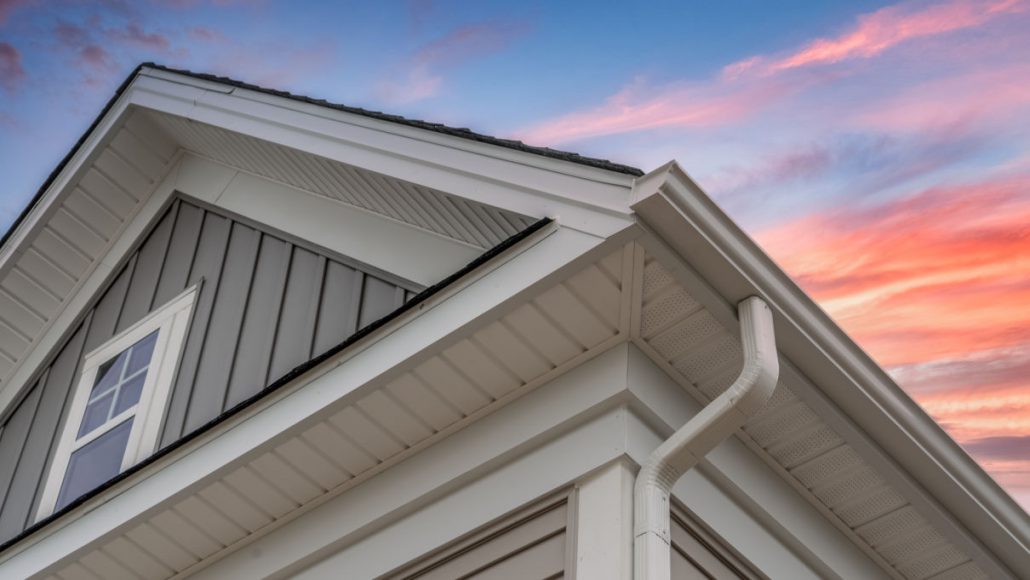
Fascia is the long, straight finishing board at your roofline where it meets the exterior walls. It provides structural integrity, offers a mounting surface for your gutters, and creates a clean, visible line along your roof. Fascia boards are typically made from wood, vinyl, aluminum, or composite materials, and are highly visible on your home’s exterior.
Soffit is the exposed surface beneath the overhanging section of your roof’s eave. If you stand under your roof’s overhang and look up, you’re looking at the soffit. Like fascia, soffit can be made from various materials including vinyl, aluminum, wood, or fiber cement, and it often features small ventilation holes or perforations.
Together, these two act as best friends and create a finished look for your roofline with many essential protective functions.
Protecting Your Roof Structure
Soffit and fascia work together to protect your roof from the elements. Fascia boards prevent moisture from reaching and rotting the ends of your roof rafters, while soffit keeps water out of the roof decking and attic space. Without these barriers, weather exposure can lead to serious structural damage, mold growth, and repairs that far exceed the cost of maintaining these protective components. This protection is especially important during wind-driven rain or when snow accumulates and begins to melt.
Improving Attic Ventilation
Proper ventilation is essential for maintaining a healthy home, and your soffit plays a crucial role in this system. Most soffit panels include small perforations that allow air to flow into your attic space, working in combination with ridge vents or other exhaust vents to create continuous air circulation.
This ventilation serves two important purposes. During summer months, proper airflow helps heat escape from your attic, reducing cooling costs and preventing excessive heat buildup that can damage roofing materials and shorten their lifespan. In winter, ventilation prevents warm, moist air from condensing in your attic, which can lead to mold growth, wood rot, and ice dam formation on your roof.
Without functioning soffit vents, your attic becomes a trapped environment where temperature and moisture extremes can cause significant damage over time. Blocked or damaged soffit vents compromise your entire ventilation system, making it harder to maintain comfortable temperatures in your home and potentially voiding warranties on roofing materials.
Preventing Pest Infestations
Gaps, holes, or damage in your soffit and fascia create perfect entry points for unwanted visitors. Birds, squirrels, raccoons, bats, and insects can exploit even small openings to access your attic and roof structure, where they can cause extensive damage.
Once pests establish nests in your attic, they can chew through insulation, damage electrical wiring, leave droppings that create health hazards, and compromise your home’s structural integrity. Repairing pest damage is often far more expensive than maintaining your soffit and fascia in good condition.
Intact, well-maintained soffit and fascia act as barriers that keep wildlife where it belongs… outside your home! Regular inspections ensure these protective elements remain sealed and secure.
Enhancing Curb Appeal and Home Value
Beyond their protective functions, soffit and fascia significantly impact your home’s appearance. These elements create clean, finished lines along your roofline that contribute to your home’s architectural character and overall curb appeal.
Damaged, rotting, or outdated soffit and fascia detract from your home’s appearance and can signal potential buyers that maintenance has been neglected. Peeling paint, warped boards, or visible gaps suggest deeper problems that may affect a home’s value and marketability.
On the other hand, well-maintained or updated soffit and fascia enhance your home’s exterior, creating a polished look that improves first impressions. Many homeowners choose to update these elements when replacing their roof or refreshing their home’s exterior, often selecting modern materials that offer better durability and lower maintenance requirements than traditional wood.
Recognizing Signs of Damage
Because soffit and fascia are constantly exposed to weather, they require periodic inspection and maintenance. Watch for these warning signs that indicate repair or replacement may be needed:
- Peeling or cracking paint on fascia boards
- Visible rot, soft spots, or water stains
- Gaps between boards or separation from the house
- Pest holes or evidence of animal activity
- Sagging or warped sections
- Blocked or damaged soffit vents
- Water stains on exterior walls near the roofline
Addressing these issues promptly prevents minor problems from escalating into major repairs. Regular maintenance extends the life of your soffit and fascia while protecting the more expensive components of your roofing system.
Choosing the Right Materials
When it’s time to replace soffit and fascia, material selection matters. Modern options like vinyl and aluminum offer excellent durability with minimal maintenance, resisting rot, pests, and weather damage while maintaining their appearance for decades. These materials come in various colors and styles to complement any home’s architecture.
Wood remains a popular choice for its natural appearance, though it requires more maintenance including regular painting or staining. Composite materials offer a middle ground, providing the look of wood with improved weather resistance and lower maintenance needs.
Professional Installation Makes a Difference
Proper installation of soffit and fascia is essential for ensuring these components perform their protective functions effectively. Incorrect installation can compromise ventilation, leave gaps for pests, or fail to provide adequate weather protection.
At 1st Choice Roofing and Construction, our experienced team understands the importance of quality soffit and fascia installation. We ensure proper ventilation, secure attachment, and weather-tight seals that protect your home for years to come.
Ready to inspect or update your soffit and fascia? Contact 1st Choice Roofing and Construction today. We’ll assess your current condition and recommend solutions that protect your home and enhance its appearance!